Organic coatings remain among the most effective means of protecting metallic structures and components from corrosion in aggressive environments. Their performance can be significantly enhanced through the incorporation of corrosion-inhibitive pigments that are released upon coating damage to mitigate localized corrosion. Historically, hexavalent chromium-based chemistries have provided outstanding corrosion resistance; however, growing awareness of their toxicity and the introduction of strict international regulations have prompted a global transition toward safer, sustainable alternatives.
While environmentally benign inhibitor and surface-treatment technologies have been successfully developed for applications exposed to relatively mild conditions, achieving equivalent performance in more demanding environments continues to pose a formidable challenge.
A wide range of Cr(VI)-free compounds have been explored as eco-friendly inhibitors through high-throughput screening and mechanistic investigations. These studies highlight critical factors for effective active protection—rapid release behavior, efficient inhibition, and the formation of stable, protective surface films.
This contribution discusses recent advances in the discovery and optimization of novel inhibitor-based coatings, integrating experimental insights with computational and data-driven approaches. Emphasis is placed on the use of advanced characterization, molecular modeling, and machine learning to accelerate understanding and prediction of intrinsic inhibitor performance.
In conclusion, the presentation outlines current progress, key challenges, and emerging opportunities in developing next-generation, environmentally responsible corrosion-inhibitor technologies and active protective coatings through synergistic experimental and theoretical strategies.
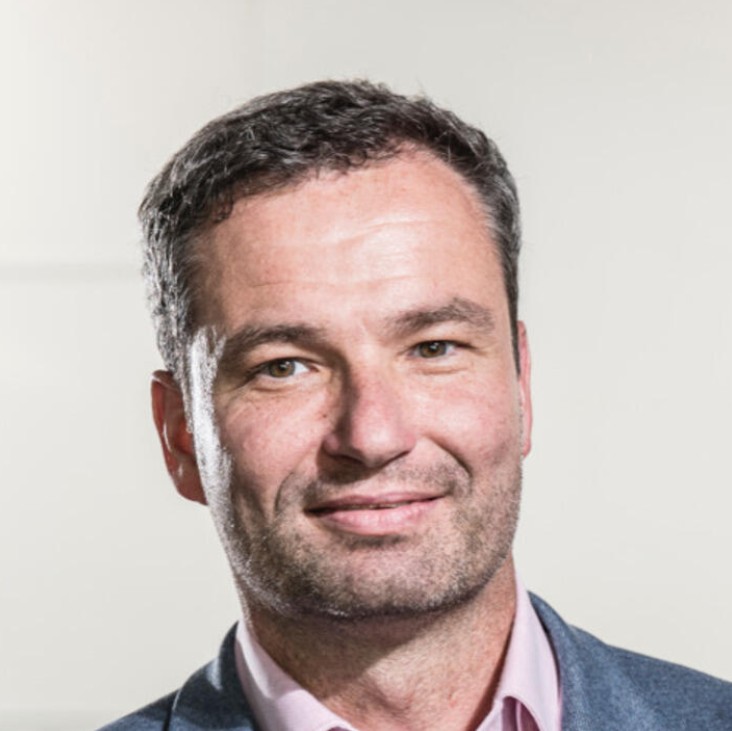
Arjan Mol is Professor Corrosion Technology and Electrochemistry and vice-chair of the Department of Materials Science and Engineering at Delft University of Technology, The Netherlands. Also, he is Scientific Director of the 4TU.High-Tech Materials Centre, embracing the materials research groups across the 4 technical universities in The Netherlands. The specific research focus areas of Arjan are: (i) local electrochemical analysis of corrosion mechanisms, (ii) surface treatment and interfacial bonding of organic coatings on metal (oxide) surfaces and (iii) multifunctional and eco-friendly corrosion inhibitors and evaluation of active protective and self-healing coatings. As from 2017, he is editor-in-chief of Elsevier’s Corrosion Science. Besides, in the period of 2014-2016 he was Chair of the Scientific and Technology Advisory Committee (STAC) of the European Corrosion Federation EFC. Hereafter he served EFC as Vice-President (2017-2018) and President (2019-2020) and now has finished his term of Past President (2021-2022) of EFC. In August 2022, during EUROCORR2022 in Berlin, Arjan has received the EFC European Corrosion Medal for his impact and services to the global corrosion science and engineering community. In 2023 Arjan Mol has been elected as Fellow of the Netherlands Academy of Engineering.
Although not yet fully exploited by the thermal spray community, axial plasma spraying represents a transformative milestone in the evolution of thermal spray technology. By introducing the feedstock directly along the plasma axis - rather than radially, as in conventional plasma torches - axial plasma spraying enables more reliable feedstock delivery and intimate heat and momentum transfer, resulting in enhanced deposition efficiency, reproducibility, and process versatility. The above advantages are particularly evident when processing fine powders or liquid feedstocks. With the advent of axial-feed-capable plasma spray systems, powders with particle sizes as fine as d₅₀ ≈ 5 µm can now be sprayed efficiently. Similarly, axial feeding has propelled suspension plasma spraying (SPS) from being merely a laboratory curiosity to a competitive industrial process, overcoming the throughput limitations traditionally associated with radially fed ethanol- or water-based suspensions. More recently, axial solution precursor plasma spraying (SPPS) has demonstrated the capability to produce fully columnar thermal barrier coatings from aqueous precursors at practically relevant deposition rates—suggesting that solution precursor routes deserve renewed attention after being largely dismissed with older radial-feed systems. Beyond these advances, hybrid powder–liquid and cord plasma spray (CPS) approaches are opening new design spaces, enabling function-specific, multi-scale coating architectures. Collectively, these developments signal a paradigm shift—one in which axial plasma spraying is not merely an incremental improvement, but a platform unlocking new horizons in thermal spray science, engineering, and application.
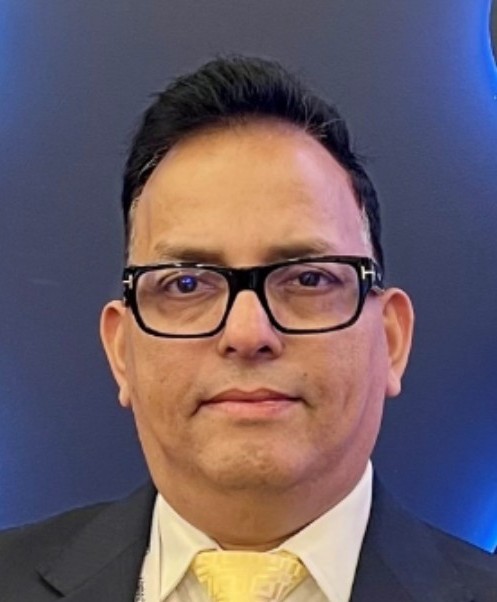
Prof. Shrikant Joshi is currently a Professor in the Department of Engineering Science at University West in Trollhättan, Sweden. He has over 30 years of experience in areas spanning Surface Engineering, Laser Materials Processing and Additive Manufacturing. He is a Chemical Engineer by academic training, having obtained his M.S. and Ph.D. degrees from the Rensselaer Polytechnic Institute and University of Idaho, respectively, in USA. Prior to moving to Sweden in 2015, he has had long stints as a Scientist at the Defence Metallurgical Research Laboratory (DMRL) and the International Advanced Research Centre for Powder Metallurgy and New Materials (ARCI. He has also been the founder Dean of the School of Engineering Science & Technology (SEST) established at the University of Hyderabad. His current areas of research are solution precursor and suspension thermal spraying, powder-liquid ‘hybrid’ thermal spraying and high velocity air fuel (HVAF) spraying, apart from Additive Manufacturing. His work has led to many industrial applications, over a dozen patent submissions and more than 250 publications in peer-reviewed journals. He is a Fellow of ASM International, the Institute of Materials, Minerals & Mining (IoM3) and the Indian National Academy of Engineering. More recently, he was also inducted into the Hall of Fame of ASM International’s Thermal Spray Society.
There are several types of galvanized steels used in construction, distinguished by the nature of the metallic alloy forming their coatings. In recent years, alloys based on zinc, aluminum, and magnesium have emerged as the optimal solution for manufacturing construction components, both uncoated and prepainted. However, not all zinc–aluminum–magnesium coatings are equivalent; their design must be carefully optimized for the intended application while ensuring satisfactory manufacturability. The combination of targeted properties is achieved through the specific microstructures of these coatings, particularly the complementarity of their various phases.
Magnelis® coating was thus developed to address the requirements of solar mounting systems as well as a broad spectrum of construction applications. It can be readily formed or assembled and provides an extended service life, even in corrosive environments; when applied in very high coating thicknesses, it is suitable for use in aggressive soils.
Moreover, zinc–aluminum–magnesium coated steels serve as excellent substrates for prepainted products. Optigal® was developed for the fabrication of cladding and roofing elements for buildings, offering excellent formability and remarkable durability, including on cut edges.
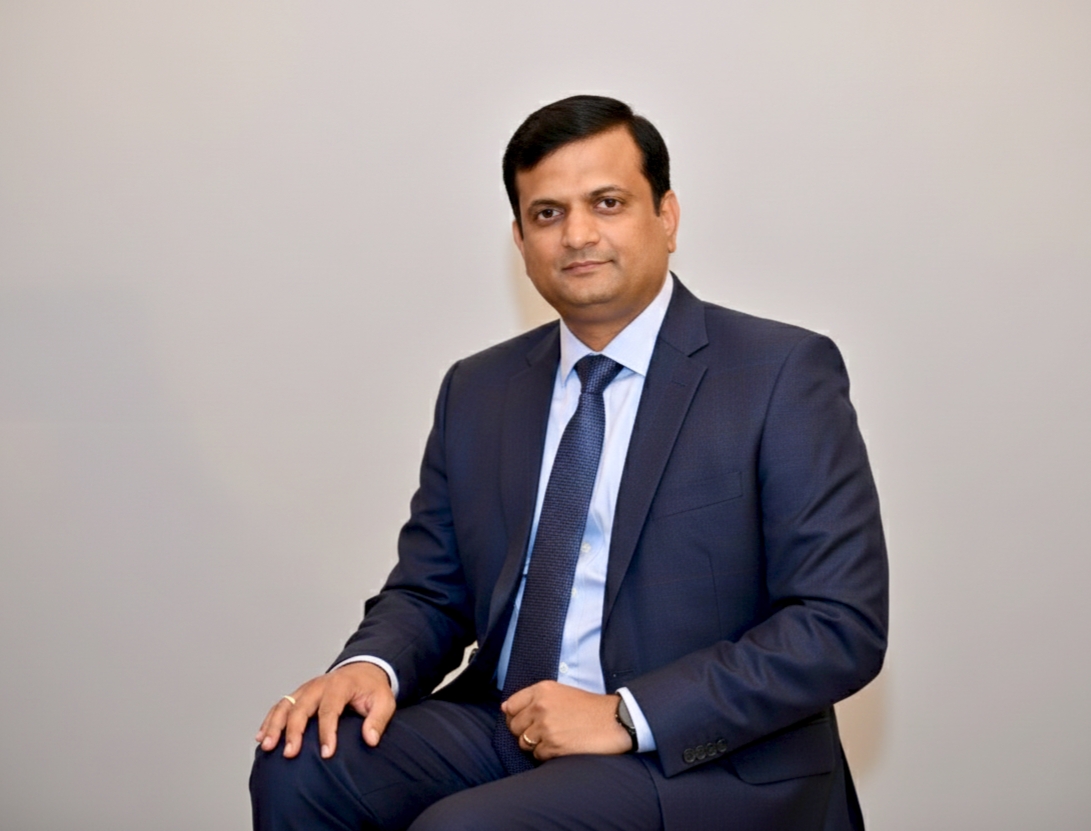
Graduated with a Master’s degree in Materials Science from Paris XIII University. Began career as a researcher at Usinor-Sacilor in 1990, where responsibilities included the development of polymer-coated steels and steel–polymer composites. From 1998 to 2008, held various positions within the commercial organization of Usinor/Sollac and, subsequently, ArcelorMittal Flat Carbon Europe, covering customer technical support, product development, product marketing, and customer value management.
Returned to the R&D organization in 2008 as Portfolio Director, overseeing new product and application development for the Construction, Energy, Packaging, and General Industry sectors.
Since the beginning of 2025, has served as Head of Product Portfolios & Sustainability at ArcelorMittal Global R&D. In this role, responsible for leading innovation programs on a global scale, with activities encompassing the development of new products and applications in the field of flat carbon steels across all major application domains, including automotive, construction, energy, and packaging.
Measuring open circuit potential (OCP) transients allows real-time electrochemical sensing of the process steps degreasing, pickling and passivation in ZnNi plating lines. According to the developed methodology the steel component to be treated is submerged as an electrode into the treating bath at its usual environmental conditions and the course of the OCP is measured against a reference electrode from the moment of submersion into the bath. The treatment is finished when the slope of the potential/time curve reaches a value close to zero (dU/dt→0) at a potential plateau. The time elapsed to reach this criteria can be used to steer the cycle time of the corresponding treatment step, to assess the efficiency of the treatment bath, and in case of the process steps degreasing and pickling also to range the contamination intensity of the metal surface with grease or rust.
When the (dU/dt→0)-criteria is reached in the alkaline degreasing bath, the metal surface exhibits its optimum wettability (proof: contact angle measurements). In the pickling bath an optimum surface activity is achieved (proof: adhesion strength of the ZnNi coating). In the Cr(III)-based and in the Zr-based passivation bath the optimum protectiveness of the passivation layer is obtained (proof: corrosion resistance in the salt spray test).
The industrial applicability of this monitoring methodology, for which an innovative measuring technology has been specifically developed, is demonstrated with an industrial Cr(III)-based ZnNi passivation bath. The sensing methodology which has been developed within the international ZIM-project MONACO-PLATE provides a fundamental contribution to the digitalization of galvanic processes which can be optimized using artificial intelligence.
Holding a PhD from Aachen University of Technology, Germany, he began his academic career in 1983 as Professor of Chemical Engineering at Ruhr-University Bochum, later serving as Professor of Corrosion Protection Engineering at Iserlohn University of Applied Sciences and Aachen University (1986–2007). Since 2005, he has led IFINKOR—Institute for Sustainable and Anticorrosive Technologies in Iserlohn—as Managing Director.
With over 350 publications, his research spans corrosion mitigation in industrial systems, hydrogen-material interactions, inhibitor performance, surface functionalization, flow-influenced corrosion, and monitoring technologies. He is an active member of leading technical societies, including GfKORR, NACE International/AMPP, ICC, and WCO, having served as President or Board Member in several. His contributions have earned him prestigious honors: NACE Fellow (2005), European Corrosion Medal (2011), Lee Hsun Lecture Award (2018), and the W.R. Whitney Award (2020).
The Cold Spray (CS) process is a technique for producing coatings by powder spraying. It is a very interesting process for producing thick coatings and even repairing parts by recharging.
The presentation will explain the principle of cold coating, as opposed to thermal spraying, and the advantages of the CS process for preventing and managing corrosion.
In thermal spraying, the passage of the powder through the enthalpy source causes a change in the composition and microstructure of the feedstock, unlike cold spraying. With this process, the coating is formed by adiabatic shearing, which preserves the quality of the original powder. This process is therefore very interesting for anti- corrosion applications, provided that the material is well chosen. The material can be chosen to provide sacrificial protection or passivation protection.
There is still potential for improvement by modifying the spraying strategy and developing composite coatings. Under these conditions, this involves spraying a mixture of ceramic powder and metal alloy, or considering a post-treatment that can densify the highly porous outer layer.
Dr. Bernard Normand is Director of MATEIS lab – UMR 5510 CNRS, INSA Lyon,UCBL1/Director of Federation of Research IngéLySE – FRE CNRS 3411/Chairperson of the Scientific Council of the LABEX MANUTECH SISE and was group leader of the corrosion group of the MATEIS lab, from 2007 to 2023. Bernard Normand teaches Corrosion Science and Surface Engineering to students of Material department and to engineers. He created the MATEIS Lab in 2007. He was deputy of Mateis lab from 2012 to 2023. He earned his PhD in Materials Science Engineering in 1993 from the Franche-Comté University, France, focusing on electrochemistry, passivation, corrosion and PVD Coatings. Between 1994 and 2000, he was Associate Professor in the department of mechanical at the University of Technology of Belfort-Montbéliard. He worked on the development of Thermally Sprayed Coatings dedicated to tribological and corrosion protections applications. This activity was followed by a CNRS researcher position in the LISE laboratory of the University of Paris VI under the guidance of Michel Keddam (2001-2003) prior to joining INSA Lyon as a Full Professor in September 2003. Pr. Normand’s current research focuses on Corrosion Science and Material Design from electrochemical measurements. His research is integrated in several national and international programs. He develops research on passivity, surface functionalizing, organic coatings and tribocorrosion. Pr. Normand has conducted extensive international work with several international Institutes such as IIT Bombay, Tohoku University, PennState University, EPFL... and International Companies TataSteel, Toyota, APERAM, AREVA, Michelin, Symbio…
He is the author of more than 130 international scientific papers, 3 books co-editor, 7 books chapters, 3 published books.
Scientific distinctions: Young Searcher Award from CEFRACOR in 1995 and Great Medal Chaudron from CEFRACOR 2012, Medal Charles Eichner from SF2M 2019, Palmes Académiques grade de Chevalier 2020.
The superior corrosion resistance of hot dip galvanized steel (HDG) alloyed with addition of Al and Mg compared to conventional zinc coating has been shown in numerous atmospheric conditions including accelerated tests and natural exposures. Despite significant works in understanding the mechanism of corrosion of Zn-Al-Mg (ZM) coatings, there are still gaps of knowledge such as, on the exact interactions between the complex microstructure of these coatings and their corrosion properties. In particular, the size and distribution of binary and ternary eutectics as well as the grain size are important factors in determining the corrosion properties of these coatings. The present study focuses on the microstructure of ZM coated steel on the initiation and propagation of atmospheric corrosion. The results are compared to conventional HDG (Zn-0.2Al). ZM coated steel with different microstructures were produced by using either a Rhesca simulator or thermal heat treatment of commercially-applied coated steel (heating at different temperatures followed by cooling at different rates). This resulted in microstructures differing in the binary eutectics size and distribution as well as in the grain size. The different coatings were investigated in various laboratory exposure conditions including different levels of chloride concentration and temperature. In addition to mass loss data, the surface pH was measured using wide range pH indicator in agar-agar gel. The corrosion products were analyzed by FTIR spectroscopy. It was proved that finer microstructures with a larger ratio of eutectics led to improved corrosion resistance, especially under harsher exposure conditions. This finding is linked to a more uniform distribution of pH over smaller anodic and cathodic sites, which allows for more efficient blocking of the surface with protective corrosion products.
Dr. Dominique Thierry obtained his PhD in Metallurgy from the Pierre and Marie Curie University in Paris France in 1988. He is assistant professor (Docent) at the Royal Institute of Technology (Corrosion Science), Stockholm, Sweden since 1993. He has been working for as researcher at the Swedish Corrosion Institute in Stockholm, Sweden from 1985 to 1998 as leader of the fields “Corrosion in liquids” and corrosion protection by inorganic coatings”. He was research director of the Swedish Corrosion Institute in Stockholm from 1998 to 2004. Dominique is also the founder of the French corrosion institute (2002) and was managing director of this institute with about 45 employees in different fields of corrosion and corrosion protection from 2005-2021. He is actually employed at RISE in Sweden as scientific advisor and senior researcher.
His field of research is corrosion science, with emphasis on the understanding of atmospheric corrosion. His research interests include atmospheric corrosion, marine corrosion, corrosion protection and the applications of local electrochemical techniques such as Scanning Kelvin probe, Scanning Vibrating Electrode, and optical spectroscopical techniques (Raman and FTIR) and corrosion sensors. He is author or co-author of about 280 scientific papers in peer review journals and of several book chapters (H index: 59 in google scholar with more than 15 000 citations). He has given over 80 invited lectures at International Conferences. He serves on the editorial board of two journals in Corrosion: Materials (mdpi) and Materials and Corrosion. He is editor of Materials and Corrosion. He received the best paper award from the International Institute of Welding in 2016, the European Corrosion medal award in 2021 and he is a fellow of AMMP.
He has been involved in many educational courses in Sweden, in France and within the EFC. He was Chairman of the EFC Working Party on Microbial Corrosion (1994-2001), Chairman of several European networks on Microbial Corrosion, Swedish National secretary of the international electrochemical society. He has been coordinating about 205 European funded projects and participating in more than 10 others.
Anodized aluminium is widely used for decorative finishes. This is due to fact that the anodized layer is usually optically transparent so that the underlying aluminium surface is visible. However, obtaining decorative glossy finishes on recycled aluminium is difficult due to the presence of high content of intermetallics. For decorative anodizing, the porous structure of the anodized layer also allows colouring. This paper presents an overview of the research work aimed at generating: (i) anodized aluminium surfaces with bright and glossy appearance on recycled aluminium having complex microstructures, and (ii) white and glossy decorative appearance that cannot be produced by conventional anodizing and coloring process as white appearance of a surface require scattering of light, which is different from absorption colours produced by colouring of anodized layer by nano-pore filling. The approaches presented in the talk include different techniques like modification of the aluminium microstructure, engineering of the aluminium surface, and application on high frequency pulse anodizing processes. Additionally, the talk will also highlight the use of high frequency pulse anodizing as a method in general for achieving better anodized layer on aluminium microstructure with high intermetallic content.
Dr. Rajan Ambat is currently Professor of Corrosion and Surface Engineering at Section of Materials and Surface Engineering, DTU Construct, Technical University of Denmark. He is also the Manager for the CELCORR/CreCon Industrial Consortium on climatic reliability of electronics and Center for Climate Robust Electronics (CRED) at DTU and Research Manager for the Corrosion node of DTU Offshore Research Centre. His current research interests broadly focus on Corrosion issue in relation to sustainable technologies namely humidity robustness issues of electronics, corrosion of materials in relation to carbon capture and storage, corrosion of materials used for electrolysis systems, and light aluminium alloys. Professor Ambat serving on editorial board of many journals and currently Associate editor of Corrosion Engineering, Science, and Technology journal. He holds Honorary Professor of Amity University, India and visiting professor of University of Bournemouth, UK. Previously he held visiting professorship at University of Lille, France and GIAN visiting professor, India. He is the Chairman for the Working Party on Corrosion reliability of electronic devices under European Federation of Corrosion and Board member, IMAPS Nordic, Europe. He has published more than 350 scientific papers including books and patents.
Resistometric technique is a powerful tool that has been used for decades for corrosion monitoring. Our research group has contributed to the development of this technique and its practical application, particularly in the field of atmospheric corrosion monitoring. However, the technique is also well suited for use in other areas of corrosion engineering, such as cathodic protection, corrosion in concrete, corrosion under insulation, and corrosion research. The lecture summarizes the advantages and limitations of the resistometric method and presents examples of its practical use in industry, cultural heritage preservation, and laboratories.
Milan Kouril is an associate professor at the University of Chemistry and Technology, Prague. He participates in teaching the subjects Materials Corrosion and Corrosion Engineering and supervising master and doctoral theses related to corrosion. His research focuses mainly on corrosion of concrete reinforcement and corrosion monitoring. He contributes to development of corrosion monitoring based on electrical resistance technique and to proposal and verification of the nuclear waste disposal concept in the Czech Republic. He is a member and past vice-president of the Association of Czech and Slovak Corrosion Engineers, and a member of the EFC Board of Administrators.
Homogeneous materials, properties and performance are of significant interest to everyone, it is often the best possible design consideration for developing the new materials and processes. However, the real world is often heterogenous in nature, at least at microscopic length scales, if not at macrolevels. Surface Engineering is one such a greatest field of materials world which accommodates the heterogeneity to varying a degree as its characteristic feature. The heterogeneous microstructures delivered by a large number of Surface Engineering technologies were found to exhibit astonishing properties and applications. For instance, the typical vertically grown EBPVD coatings with well defined infra-and inter-columnar pores and voids offer outstanding thermal barrier nature and protect the aeroengine components from a variety of material degradation mechanisms. Similarly, the Micro Arc Oxidation coatings with a continuous variation in the proportion of α- and ɣ- Al2 O3 across its thickness off ers excellent tribological, corrosion, fatigue resistances, making it suitable for textile, bio-medical and aerospace applications. In view of the above, a variety of microstructures, their composition and processing routes linked with theresulting portfolio of properties and performances are presented to appreciate the benefits of such heterogenous materials for applications in various sectors of Industry.
Dr. L. Rama Krishna received B.Tech, M.Tech and Ph.D degrees in Materials & Metallurgical Engineering from NIT-Warangal, IIT-Kanpur and JNTU-Hyderabad respectively. He joined Surface Engineering Division of ARCI as a Scientist-B in the year 1999 and elevated to as Associate Director and the founder Chairman of Aerospace Working Group at ARCI. Dr. L. Rama Krishna is the Best Academic Performance award winner of NIT-Warangal, and his M.Tech thesis was nominated for the ‘President Gold Medal’ at IIT Kanpur. Dr. L. Rama Krishna, conceptualized and executed numerous fundamental R&D, sponsored R&D and application centric R&D projects led to the grant of 11 patents in India and abroad and 2 more under examination, over 100 products and several technologies were developed, transferred and industrially implemented. He has guided 7 Doctoral and 12 Master’s thesis, delivered over 100 lectures at various national and international forums. In recognition of his impactful research, he was conferred ‘Thomson’s Highly Cited Author Award’ by Web-of-Science, Singapore. He has been “Editor” of the TIIM journal for the past 8 years, edited 400 articles, and was elected as “Editor-in-Chief” of the TIIM. He has received numerous honours and awards including ‘Young Engineer Award’ of INAE, ‘Boyscast Fellowship’ of DST, Government of India, ‘Dr. Elayaperumal National Award for Excellence in Corrosion Science & Technology’. He was appointed as a ‘Research Faculty’ at Northwestern University, USA and won ‘Silver Medal’ at ICMCTF, San Diego, USA. He was part of the Indian delegation at the ‘Indo-US Frontiers of Engineering Symposium’, Washington DC, USA. Dr. L. Rama Krishna is a ‘Fellow of Telangana Academy of Sciences’, ‘Fellow of Institution of Engineers’, Life Member: ‘Electrochemical Society of India’, ‘Indian Institute of Metals’, ‘Materials Research Society of India’ and ‘Defence and Aerospace Panel of Confederation of IndianIndustry’. In recognition of his multi-faceted achievements, he was conferred with “Distinguished Alumni Professional Achievement Award” by NIT-Warangal, “Adjunct Professor” by University of Hyderabad.
Corrosion of metal substrates remains a critical challenge in modern infrastructure, causing significant economic losses and compromising structural integrity. In India alone, the estimated direct cost of corrosion during 2011–2012 was approximately ₹1.46 lakh crore (USD 26.1 billion), equivalent to 2.4% of the national GDP, of which nearly ₹52,000 crore (USD 9.3 billion) could have been avoided through effective prevention strategies. Recent reports indicate that annual losses across sectors now reach nearly ₹9.19 lakh crore (USD 110 billion), highlighting the urgent need for proactive corrosion management. Conventional protective coatings provide passive barrier protection, but fail to offer early warning of corrosion initiation, often resulting in substantial material degradation before corrosion is realized. Addressing this limitation, the lecture will highlight the strategic design and evaluation of smart coatings combining corrosion sensing and inhibition, advancing beyond conventional barrier coatings for improved corrosion management. Special emphasis shall be placed on sol-gel based nanocomposite coatings on mild steel, aluminum, and magnesium alloys, incorporating both inorganic and organic active materials, that enable real-time early corrosion detection, while simultaneously mitigating corrosion. The use of various nanocontainers to prevent unwanted chemical interactions between active materials and the coating matrix, while enabling controlled release of active materials to enhance coating performance, will also be discussed, along with prospects of this area of research.
Dr Subasri obtained her M.Sc. in Chemistry from IIT, Madras, India and PhD in Chemistry from the University of Madras, Tamil Nadu with the research work carried out at Indira Gandhi Centre for Atomic Research, Kalpakkam. After post-doctoral stints at Max Planck Institut für Metallforschung, Stuttgart, Germany and at National Institute for Materials Science, Tsukuba, Japan, she joined ARCI, Hyderabad as a senior scientist. Her research interests include development of sol-gel nanocomposite coating formulations for different applications like self-healing corrosion protection, corrosion sensing, anti-bacterial, biofilm inhibition, anti-reflection, self-cleaning etc.
As part of commercialization efforts, her team has made 4 know-how transfers to different industries. She has 109 publications in peer reviewed international journals, 13 book chapter contributions, 16 Indian patents; 4 US patents and 4 European patents granted to her credit. She is a Max-Planck-India Fellow. She received the AICTE distinguished professional award in September 2024 to assist and encourage students and faculty of AICTE-approved institutions to innovate, research, and excel in the technology domain. Her name featured among the top two percent of scientists in the field of Materials Science in a global list compiled by the researchers from the prestigious Stanford University for the year 2020. She received the Materials Research Society of India (MRSI) medal in 2015 in recognition of her significant contributions to the field of Materials Research and Engineering.
The development of scalable and sustainable synthesis routes for high-quality two- dimensional (2D) materials remains a critical challenge. Specifically, the controlled engineering of graphene through reduction, heteroatom doping, and structural modulation, as well as the phasetransformation of transition metal dichalcogenides (TMDs) such as tungsten disulfide (WS2), is essential to tailor their electronic and electrochemical properties for advanced energy applications. Conventional chemical, thermal, or vapor-phase methods often require multiple steps, solvents, and hazardous reagents, limiting scalability, purity, and structural control. To address these limitations, this thesis establishes a universal, solvent-free, age-old, and scalable plasma spray technology as a versatile platform for engineering graphene and other 2Dmaterials directly from bulk precursors. The proposed approach enables simultaneous exfoliation, reduction, doping, twisting, and phase transformation within seconds, achieving gram-scale throughput. The outcomes not only overcome long-standing challenges in 2D material processing but also pave the way for industrial-scale applications in energy storage and conversion technologies.
Anup Kumar Keshri is currently an Associate Professor in Dept. of Metallurgical and Materials Engineering at Indian Institute of Technology (IIT), Patna, India His main research interest lies in surface Engineering, Processing of 2D Materials, plasma spraying, CNT/graphene reinforced metal and ceramic composite coatings, mechanical, corrosion, and tribological behavior of coatings. He has published 160+ papers in peer-reviewed journals, delivered 35+ talks in international conferences, and 50+ invited talks in academics and industries. He has filed 13 Indian patents, out of which 4 have been granted. His h-index of 39 (total citations close to ~4870) strongly endorses his research productivity. He has received the sponsored research and consultancy funding of ~ 2.17 million USD (~ INR 18 Crores) from various govt. and private funding agencies. Under his supervision, 9 Ph.D. students and 28 M.Tech. Students have already been graduated and 1 Research Associate, 13 Ph.D. and 01 M.Tech. are ongoing. Recently, one of his works published in ACS Nano has been globally covered by C&EN, Harvard University, The Graphene Council, AmericanCeramic Society and THEWEEK Magazine and here is the link of the news.
Current Zinc-Nickel deposits are mainly plated from alkaline solutions. These solutions are based on high alkalinity and therefore Nickelions are not soluble. To overcome these solubility problems complexing agents are needed. Mild complexing agents, thus us organic acids, can stabilize Nickel under these conditions, but the requested Nickel-content of 10-15% in the deposit are generally not achieved. With the wide use of ethylene amines, such as Tetraethylenepentamine (TEPA), the Nickel content in the Zinc-Nickel layer can be controlled and the favored 10-15% are reached. Heavy drawbacks of those amines are their low biodegradation in the wastewater as well as the formation of cyanide during the plating process. Besides these facts, the low current efficiency of alkaline solutions further increases the plating costs.
In the past, acid Zinc-Nickel plating solutions have not been favored by the industry due to problems, mainly linked to the lack of control of the Nickel-concentration in the deposit, resulting in very high Nickel contents in the low current density area.
In here, we will present further developments of acid Zinc-Nickel plating solutions addressing the problems of older systems, such as Nickel-content, brightness distribution and anode-setup. By using acid Zinc-Nickel solutions the environmental impact can be reduced dramatically because of higher plating efficiency, less use of hazardous chemicals and lower voltages during the plating process.
Johannes Klos is a chemist and together with his sister Anna owner of anjo Oberflächentechnik GmbH. He studied chemistry and the Johannes-Gutenberg University in Mainz, Germany, where he received his doctoral degree in polymer chemistry in the topic of synthesis and characterisation of electric conductive polymers. During his studied, he was also working in the filed of electroplating at GC Galvano Consult GmbH till 2008. At the end of 2008 he joined his sister to found anjo Oberflächentechnik GmbH, where also his father Dr. Klaus-Peter Klos (formally owner of GC Galvano Consult) is working since 2009. In his research he is focusing on the development of environmental friendly coating technologies such as low environment impact electrolytes and passivates.
Chrome plating both as a decorative and as a functional coating, has been used across a wide range of market sectors for more than 100 years. Electroplated chrome layers remain highly valued: for their characteristically bright appearance in many decorative applications, and for their technical properties such as hardness, wear resistance and corrosion protection.
The toxicity of hexavalent chrome electrolytes, however, represents a long-known hazard. The industry addresses this through regulatory requirements, licensing obligations and strict control measures for safe handling and use. Furthermore, the strongly oxidizing nature of these electrolytes necessitates the use of expensive materials such as PVDF for tank construction. Nevertheless PFAS/ PFOS containing wetting agents are often used.
Electrolytes based on trivalent chromium salts are well-established alternatives in decorative chrome plating. While these processes require more attention in bath control and certain equipment (e.g. filtration and ion-exchange systems), the advantages compensate for this: lower energy consumption, the elimination of lead-containing anode sludge and the use of significantly more economical materials for tank construction. When operated correctly, the resulting deposit properties are equivalent to those of hexavalent chromium.
APEXCHROMETM – the New Third Generation of Trivalent Hard Chrome Processes
The newly patented third generation of trivalent hard-chrome processes, marketed as APEXCHROME TM , opens entirely new possibilities. The process enables direct plating onto brass, steel, including grey cast iron, while providing excellent metal distribution, low wear rates (after Taber Abraser Test) and a very low crack density of the deposits. Together, these features mark a significant milestone in the development of hard chrome technologies.
Scope of the Presentation
The presentation provides an overview of the status of chromium(III)-based plating technologies, explains and demonstrates the key aspects, and shows how recent develo pments can contribute to safer and more sustainable metal finishing. At the same time, these advancements deliver improved deposit performance for both decorative and technical applications.
Phil Norton is Sales Manager at Schloetter Company Ltd, UK. Since 2016, Phil has been focussed on local and international markets for Schloetter, utilising and expanding his background in electroplating, electronics manufacturing and specialist surface finishing coatings and techniques. An Honours graduate in Chemistry, he values a ‘hands on’ and practical approach to developing his technical expertise. He has been instrumental in key process development and in bringing innovative products to market, and excited to be joining colleagues to discuss a new process and its applications.
The global transition away from hazardous electroplating and hot-dip galvanizing systems has created an urgent demand for sustainable, high-performance corrosion-protection coatings. ECOMET® Corundum, a next-generation zinc-lamellar micro-layer system, represents a breakthrough in this evolution—delivering salt-spray resistance up to 6500 hours, C5–CX-class durability, and complete PFAS-free, Cr-free compliance aligned with CBAM, REACH, and ESG frameworks.
Developed through a synergy of materials science, surface engineering, and low-energy dip-spin application, ECOMET® Corundum integrates nano-lamellar particle architectures and water-borne binder chemistry to achieve active barrier and self-sealing protection even under cyclic or offshore conditions. Its precisely engineered micro-layer morphology promotes electron-transfer suppression and galvanic decoupling between substrate and environment—achieving mechanical robustness with minimal environmental footprint.
The technological foundation of ECOMET® Corundum is guided by the ECOMET 7 Pillars: Sustainability, Material Innovation, Energy Efficiency, Environmental Compliance, Digital Process Control, Industrial Scalability, and Century-Scale Durability. This framework ensures that every stage—from material formulation to process execution—supports global ESG, CBAM, and circular-economy goals while maintaining industrial practicality.
This presentation will highlight ECOMET® Corundum’s scientific and industrial integration, bridging experimental validation (SST, cyclic corrosion, adhesion, torque–tension, and hydrogen-embrittlement studies) with predictive modeling, digital monitoring, and life-cycle assessment. Case studies from automotive, wind-energy, and infrastructure sectors illustrate its capacity to replace legacy Cr(VI) and HDG systems without compromising performance or compliance.
By merging eco-design, mechanistic insight, and data-driven optimization, ECOMET® Corundum establishes a new paradigm in corrosion protection—one that unites sustainability, scalability, and century-scale durability, embodying the collaborative and future-oriented vision of EnggCoat 2026.
Kalyan Dhakane is the Founder and Managing Director of Corundum Coating Innovations Pvt. Ltd. (India) and Head of the ECOMET® Technology Division, pioneering PFAS-free zinc-lamellar coating systems for next-generation corrosion protection. He also leads EFFCO Finishes & Technologies, specializing in eco-engineered coating equipment and automation, and collaborates globally with the Zandleven Group (Netherlands) and Top Tech Industrial Coatings Limited (Guangzhou, China) for technology deployment across European, Asian, and Indian markets.
Under his leadership, ECOMET® Corundum has become an international benchmark for the Renewable Energy Segment and Fastener Corrosion-Protection Coatings within the C5–CX corrosion category, integrating material science, environmental compliance, and industrial performance. The successful manufacturing establishment in the Netherlands, China, and Pune (India) marks a significant milestone in scaling sustainable, PFAS-free surface-engineering technologies across global markets.
Mr. Dhakane’s professional focus includes (i) development of PFAS- and Cr-free coating systems, (ii) ESG-aligned digital process control, and (iii) industrial scalability of corrosion-protection technologies for automotive, wind-energy, and infrastructure sectors. He continues to position India as a leading hub for CBAM-ready, ESG-compliant, and high-durability coating technologies, shaping the future of global corrosion protection and sustainable materials engineering.
Keywords: High-temperature corrosion, Sulfate deposits, CoNiCrAlY coatings, Sulfate
decomposition, Energy dispersive x-ray spectroscopy
Advanced metallic coatings on superalloys are required to resist attack by corrosive deposits under oxidizing and sulfurizing atmospheres in cyclic turbine environments. Complex mixed-cation, multi-anion deposits have recently been shown to activate new corrosion pathways in alloys/coatings beyond the conventional sodium-sulfate hot-corrosion regime. However, the interplay of coating microstructure, thermal cycling, and deposit chemistry remains insufficiently understood.
This work investigates the influence of multi-cation oxide, oxide–sulfate, and sulfate deposits on the corrosion behavior of CoNiCrAlY coatings. Coatings were deposited on Inconel 738 substrates using high-velocity oxy-fuel (HVOF) and vacuum plasma spray (VPS) techniques, and corrosion experiments were conducted in an advanced burner-rig system enabling simultaneous cycling and deposit injection. Cross-section election microscopy with energy dispersive x-ray spectroscopy, combined with image-analysis methods, was used to characterize reaction products and quantify corrosion intensity as a function of thermo-cyclic history, deposit type, and coating microstructure.
The results elucidate how (i) deposit composition—particularly the balance between intrinsic sulfate decomposition and deposit–coating reactions, (ii) thermal cycling parameters, and (iii) microstructure characteristics such as oxide content and porosity govern the severity and morphology of deposit-induced corrosion. The data-rich analysis provides insights into coating degradation while supporting future model-driven approaches for accelerated alloy development.
Assets in the oil and gas industry are getting older and need maintaining. Currently there is no sufficient standard for maintenance coating. Norsok revision 2022 is stipulating the requirements for maintenance coatings in Annex L but they do not mention testing procedures for maintenance coatings.
The industry faces constantly early failures with coatings in maintenance scenarios due to insufficient level of cleaning and wrong application. Steel is seldom blasted back to SA 2.5 and often, prep is to ST 2, ST3 or bristle blasting. Maintenance is about surface tolerance. There is only limited experience in the coating industry on understanding the surface tolerance of products like mastic epoxies and testing to lesser degrees of surface preparation.
This presentation will highlight the understanding on what are the minimum requirements for maintenance coatings and will provide a practical and simplified approach to asset protection after the initial capex.
Owners require linings which meet the following requirements:
1. Proven performance
2. Versatility) to allow simplification of lining selection
3. Application
To meet these key parameters, it is essential that linings have clearly defined performance in terms of resistance to Chemicals, temperature, pressure.
Performance standards are being adopted by the International Oil and Gas Producers (IOGP) which help define strict requirements (there are two ISO standards – one for tanks and one for vessels) which can allow users to make safe and future proof selection of linings.
We will explore the use of rigorous testing and application of standards helps answer: “HOW DO I BRING NEW TECHNOLOGY TO THE MARKET WITH PROVEN PERFORMANCE?” question. Furthermore, we must challenge if Track Record gives a true representation of lining performance.
There are three basic requirements to develop linings to match and exceed what is already out there in the market:
a. A lining solution meeting the requirements.
b. Recognised tests which can quickly ascertain if a lining is good or not.
c. A strong, focused, technical specification for new linings with targets which exceed required performance and legislative demands. Performance benchmarking of existing materials beyond their limits will quickly tell us what a new lining needs to surpass, and we can set about developing superior linings to support the energy market into the future.
Key words: NACE TM0174, Atlas Cell, NACE TM-0185 (Autoclave), ISO 169761, ISO 18796, Track Record, Performance standards, Proven performance, benchmarking, superior linings.
Education
BSc (Hons) Applied Chemistry (1st Class) – Newcastle UK
History
1988-2003 Linings Development and Testing at a globally recognized paint company.
2006-2015 - linings technical manager (Oil and Gas)
2015-2018 - linings Subject Matter Expert for a global paint company developing and implementing the next generation of linings
2018- Global Linings Product Director Sherwin Williams.
External Business Activities
- Project Lead – ISO 16961
Petroleum, petrochemical and natural gas industries — Internal coating and lining of steel storage tanks
- Technical Consultant ISO 18796-2
Internal coating of carbon steel process vessels Part 2: Requirements and guidance for the selection of coating systems
Corrosion remains a critical challenge across industrial sectors and significantly affecting global economic and environmental burden. Conventional synthetic corrosion inhibitors face limitations such as toxicity, poor long-term stability and decrement of efficiency at elevated temperatures. The emergence of nanotechnology for corrosion control offers promising advances by tailoring surface properties and enabling multifunctional protective mechanism. Seeing their potential in corrosion mitigation, nanomaterials have been explored in these few years for both in coating-phase and aqueous phase applications to improve corrosion resistance and responsiveness. This topic discussed a wide range of nanomaterials exploring their self-assembly inhibition mechanism and abilities in enhancing barrier properties, controlled ions release and self-healing properties. Besides that, novel coatings such as super-hydrophobic, smart coatings and green sustainable inhibitors were also deeply discussed especially on their inhibition mechanisms, advantages and limitations. Moreover, industrial relevance analysis particularly in the applications of oil and gas, marine, and aerospace industry will be explored in this work, addressing specific demands based on each industrial working conditions challenges. Nevertheless, challenges persist in scaling up production, ensuring long-term durability and managing environmental impacts. This work concluded by identifying future directions particularly in multiscale modelling, predictive corrosion analytics and smart materials development. Comprehensively, nanotechnology showed high potential toward high-performance and sustainable corrosion mitigation strategies.
Ozge Yucel is an Environmental Engineer with M.Sc. degree obtained at Istanbul Technical University (ITU) in 1996.
In November 1998, he started his sales career in CASE industry, starting at Hempel and re-joining in March 2013. In April 2015, been promoted to Global Key Account Manager and he still is a member of high qualified, well established and motivated Global Key Account Management team. Now possessing almost 30 years of protective coatings commercial experience, he is working based out of Rotterdam, Netherlands
Corrosion remains a critical challenge across industrial sectors and significantly affecting global economic and environmental burden. Conventional synthetic corrosion inhibitors face limitations such as toxicity, poor long-term stability and decrement of efficiency at elevated temperatures. The emergence of nanotechnology for corrosion control offers promising advances by tailoring surface properties and enabling multifunctional protective mechanism. Seeing their potential in corrosion mitigation, nanomaterials have been explored in these few years for both in coating-phase and aqueous phase applications to improve corrosion resistance and responsiveness. This topic discussed a wide range of nanomaterials exploring their self-assembly inhibition mechanism and abilities in enhancing barrier properties, controlled ions release and self-healing properties. Besides that, novel coatings such as super-hydrophobic, smart coatings and green sustainable inhibitors were also deeply discussed especially on their inhibition mechanisms, advantages and limitations. Moreover, industrial relevance analysis particularly in the applications of oil and gas, marine, and aerospace industry will be explored in this work, addressing specific demands based on each industrial working conditions challenges. Nevertheless, challenges persist in scaling up production, ensuring long-term durability and managing environmental impacts. This work concluded by identifying future directions particularly in multiscale modelling, predictive corrosion analytics and smart materials development. Comprehensively, nanotechnology showed high potential toward high-performance and sustainable corrosion mitigation strategies.
Dr Rakesh Barik is a Corrosion Scientist within CSIR- Central Electrochemical Research Institute, Karaikudi, Tamil Nadu. Rakesh holds the degrees of MSc Chemistry from the Utkal University, Odisha, MTech in Corrosion Science and Engineering from IIT Bombay, India and PhD degree from national Centre for Advanced Tribology (nCATS) within Engineering Sciences of the Faculty of Engineering and the Environment at the University of Southampton, United Kingdom. He has got post doctoral research experience from the School of Engineering, University of Edinburgh, United Kingdom in the area of CO2 research.
Rakesh has research interest in erosion-corrosion; corrosion inhibitions and cathodic protection for oil and gas industries. He has been working on various funded projects form CSIR, DST and various industries (IOCL, GAIL, HPCL and Boeing USA). He has published and presented several papers (h index- 23 and i10 index -34) and book chapters in various aspects of corrosion. He has teaching experience in Corrosion Science at undergraduate (BTech in Chemical and electrochemical engineering) and PhD level (AcSIR PhD students). He is the technical coordinator and faculty for industry/academic oriented /technology courses on Cathodic Protection and Pipeline Corrosion for engineers, entrepreneurs and practitioner etc.
This study presents the development and characterization of a new coating process, named Laser Sheet Material Spray (L-SMS), which utilizes a metal sheet rather than conventional powder or wire feedstock typically employed in Thermal Spray, Wire Arc Additive Manufacturing, or Laser Cladding. In L-SMS, a laser melts the sheet material, and the molten metal is transported to the substrate by a high-pressure gas jet. In this work, an aluminum sheet was used to deposit a coating on an aluminum substrate, resulting in a uniform layer with a seamless interface. Microstructural characterization using scanning electron microscopy confirmed continuous coating with porosity ranging from 1.22% to 2.80%, primarily due to surface pores and inter-splat gaps. Energy-dispersive X-ray spectroscopy verified elemental uniformity and coating composition. Adhesion behavior was evaluated through scratch testing, where the coefficient of friction–displacement responses were used to assess the bonding between the coating and substrate. The results demonstrate that L-SMS is capable of producing dense, well-adhered, and relatively thick metallic coatings in a cost-effective and environmentally sustainable manner, highlighting its potential as a viable alternative to conventional powder- and wire-based deposition processes.
Dr. Ravi Kant is an Associate Professor in the Department of Mechanical Engineering at the Indian Institute of Technology Ropar, India. He holds a Bachelor’s degree in Mechanical Engineering from Maharshi Dayanand University, Rohtak, and completed his M.Tech. and Ph.D. from the Indian Institute of Technology Guwahati, India. He is a distinguished researcher in advanced manufacturing technologies, and specializes in Surface engineering, Laser-based manufacturing processes, Modeling and optimization of modern manufacturing processes, Additive manufacturing, Inverse estimation, and Composite materials. He has successfully led numerous research projects and industrial consultancy assignments in these domains. He has completed numerous research projects and consultancy works in these areas of research. He has contributed around 150 research articles in peer-reviewed journals, conferences, and edited books. He has edited four books with Springer and CRC Press in the field of materials and manufacturing. He has also guest-edited five special issues in reputed journals. He has developed and taught advanced courses like Modern manufacturing processes; Sustainability science and technology; Analysis of casting, forming and joining processes; Advanced welding technology; Micromanufacturing; Manufacturing, etc. He has also conducted various international conferences, workshops, symposiums, Colloquiums, and faculty development programs in the field of advanced manufacturing technology.
The protective hot dip galvanized coatings have been evolved to mitigate the present industrial problems and enhanced for better combination of mechanical and corrosion properties. The important issue of selective surface oxidation of advanced high strength dual phase (DP) 980 steel has been suppressed through novel process of employing surface treatment with a metallic iron pre-layer by sol-dip technique to develop advanced hot dip galvanization (GI) process. The application of novel technique for in-situ generation of selective surface morphology in the advanced galvannealed (GA) coatings has provided a better combination of superhydrophobicity, adhesion and corrosion performance. The challenging approach of surface controlled microstructure for the advanced Zn-Al-Mg alloy coating has been improved through its evolution for metallurgical phases and enhanced corrosion resistance. The corrosion performance studies using salt fog, electrochemical polarization and impedance spectroscopy tests has showed significant improvement in corrosion resistance of the advanced coatings. The favorable texture in the novel in-situ colorized galvanizing coating developed under the center of excellence at CSIR-NML is the next generation advanced coating in structural sectors for automobile and structural application.
Mahesh Gulab Walunj as a Principal Scientist in CSIR-National Metallurgical Laboratory, Jamshedpur, is doing his research work in area of coatings and corrosion for the last 9 years. He has completed his B. Tech. with Gold Medal in Metallurgy and Material Science Engineering from COEP Technological University Pune in 2013. After completing M. Tech. degree from IIT Bombay in 2015, he started his professional career joining CSIR- National Metallurgical Laboratory, Jamshedpur as a Scientist in 2016. He focused his research in strategic area of advanced materials and coatings using various techniques such as hot dip galvanization, sol-gel dipping, HVOF, electrodeposition and their corrosion mechanisms for structural and automobile applications. Meanwhile, he pursued his PhD registered in 2020 from IIT Bombay on the research topic of modulation of coating properties using novel approach and exploring its application for Indian industries. For his excellent Ph.D. research, he has also received The Best Ph.D. Research Award for the Year 2023. In the last 9 years of R&D work as a Principal Scientist, he has remarkably contributed for the development of coating technologies and notably impacted the Indian industries by his innovative indigenous scientific work through more than 25 projects sponsored by Indian Steel Industries, CSIR and Ministry of Government. Out of 7 patents, his 4 novel technologies has been granted and recognized by CSIR for commercialization and jointly filed with Indian Industries for further plant scale up. His scientific contribution has been published through the various esteemed peer-reviewed journals. For his research and innovation in corrosion and coatings, he became the Winner of Corrosion Championship Trophy in 2025 organized by Confederation of Indian Industry (CII). As a young scientist, he is recipient of various prestigious awards such as N. M. Sampat National Award, S. P. Mehrotra Award, Professor-Shilowbhadra Banerjee Award and i3C best research award for his scientific work.
Oxygen incorporation into cubic (Ti,Al)N improves high-temperature performance by delaying the wurtzite transformation from ~1000 °C to ~1300 °C, as forming the required non-metal vacancies is energetically far less favorable than creating metal vacancies. (doi:10.1016/j.actamat.2021.117204). Related effects in (V,Al)N and (Cr,Al)N are discussed.
Stoichiometric Ti₀.₃₃₋ₓAlₓB₀.₆₇ coatings (x = 0.04–0.28) exhibit decreasing elastic modulus, unit-cell volume, and hardness with increasing Al content, matching ab initio predictions. Oxidation behavior is strongly composition-dependent: ≤15 at.% Al leads to porous, crystalline, non-passivating oxides, whereas ≥21 at.% Al forms dense, amorphous, passivating scales. (doi:10.1016/j.actamat.2023.119197).The formation of passive scales has been investigated further: For Ti₀.₁₂Al₀.₂₁B₀.₆₇, amorphous Al–O–B scales develop at 700 °C and transform into nanocrystalline aluminoborates after oxidation at 900 °C for 8 h, while spinodal decomposition produces Ti-rich and Al-rich boride regions beneath the scale. DFT simulations reveal faster Al diffusion relative to Ti, explaining early Al-mediated scale formation and the higher-temperature onset of decomposition(doi:10.1016/j.actamat.2025.120662).
Jochen M. Schneider, Ph.D., is Professor of Materials Chemistry at RWTH Aachen University, Germany. His research centers on quantum-mechanically guided design of thin films with tailored thermal and chemical stability, elastic properties, and self-reporting capabilities. He studied materials engineering and earned his M.Sc. (1995) and Ph.D. (1997) in engineering, design, and manufacturing from Hull University, U.K. He received a docent degree in thin film physics from Linköping University, Sweden, in 2001. Following postdoctoral work in Linköping and at UC Berkeley, he joined RWTH Aachen University as Professor of Materials Chemistry in 2002.
Schneider’s contributions have been recognized through major honors, including the Sofya Kovalevskaya Prize (2001) of the Alexander von Humboldt foundation, Fellowships of the American Vacuum Society (2013), the Max Planck Society and RWTH Aachen University (2015), the Bill Sproul Award of the AVS (2020), the Rudolf-Jaeckel-Preis of the DVG (2022), an honorary doctorate from Uppsala University (2023), and the Lee Hsun Lecture Award of the Chinese Academy of Sciences (2025).
He served on the Board of Trustees of the Leibniz Institute of Surface Engineering, the Henry Royce Institute Strategic Facilities Advisory Board, and the WISE advisory committee. He has supervised 42 Ph.D. students and mentored 28 postdoctoral researchers.
On an average, 60% to 70% of all insulation in service for more than 10 years contains corrosion-inducing moisture, especially in high humidity environments which can result in corrosion under insulation (CUI). In many situations, users apply protective coatings to the surface of the asset before applying an insulation system or fireproofing. Selecting the right coating is extremely important since the coating is the last defence for keeping the electrolytes from the metal surface and preventing corrosion under insulation (CUI). In fact, studies show that traditional protective coatings in CUI service last only 5 to 13 years. There are many reasons for these traditional protective coatings failure, it could be due to the:
· Wrong coating system
· Surface preparation
· Quality of application
· Condition of which the coating is exposed -- dry or wet conditions that could contribute to coatings degradation which leads to CUI.
Traditional protective coatings fail prematurely under insulation, as they have limitations handling the temperature in service and pre-service environments as stated above. In the service environment with wet electrolytes such as alkali, chlorides and elevated temperatures lead to highly corrosive environments. For this reason industry has for decades been looking for simulated CUI testing to prequalify CUI coatings looked to test methods to prequalify CUI mitigation coatings and there are now currently two such standards in use:
1. ISO 19277:2018 – Petroleum, petrochemical and natural gas industries – Qualification testing and acceptance criteria for protective coatings systems under insulation.
2. AMPP TM 21442 - Test Method for Evaluation of Protective Coatings for Use Under Insulation.
This presentation will give an insight of where we were and where we are regarding such simulated CUI prequalification tests.
Key words: Corrosion under insulation, advanced CUI epoxy
Neil Wilds is from the United Kingdom and has over 38 years of technical coatings experience with low temperature curing epoxies and high heat CUI & Insulation coatings and is currently a Global Product Director CUI / Testing with Sherwin Williams Protective & Marine Coatings Division. Neil spend most of his time talking to customers to ascertain issues they have with current coating chemistries and looking for solutions to these pain points. Neil is also a member of multiple coatings standards committees actively involved in development of coating corrosion and CUI test standards such as AMPP 21442, ISO12944 & ISO19277 & Norsok M501. He has been with Sherwin Williams for just over 9 years the after spending 29 years with another global coatings company.
Passive Fire Protection (PFP) has been used in the Oil & Gas industry for decades. Fires in oil & gas facilities can quickly escalate, causing explosions, extensive damage and, in the worst cases, loss of life not to mention extensive loss of earnings for asset owners and operators. For these reasons, hydrocarbon passive fire protection (H-PFP) coatings are increasingly important part of fire hazard and risk management. This presentation will focus on the state of the technology, performance testing and technology advancements.
David Hunter is a Civil Engineer and Segment Development Manager for Corrosion Under Insulation (CUI) & Thermal Insulation Coatings (TICs) for Hempel. He has 29 years of coatings and corrosion experience includes consulting in CUI, protective coatings, linings, composites, and passive fire protection materials.
Mr. Hunter is also 17 year AMPP instructor for several AMPP courses including:
· AMPP Corrosion Under Insulation Course
· AMPP Fireproofing Specialty Inspection Course
· AMPP CIP-1 & 2 Instructor
· AMPP / NACE Offshore Corrosion Assessment Technician
Corrosion of steel is a relentless, natural electrochemical process and to maintain steel integrity is ever-growing challenge for the asset owners and operators which is directly linked to safety, efficiency, economy and environmental impact. The cost of corrosion is on the rise and estimated to be 3.4% of global GDP which is equal to 2.5T USD. Considering the deadly effects of corrosion on critical and vital infrastructure there is a persistent need for an innovative solution to upgrade the corrosion protection performance of existing coatings that can offer maintenance-free steel integrity for 25-30 years or more depending on usage area. An innovation project was undertaken and after nearly 13 years of research and extensive field trials, state-of-the-art Covallox™ technology-based coating solution was developed. It works on the principles of dual-locking mechanism, employing both hydrogen bond (physical) and covalent bonds (chemical) that increase adhesion to steel by 10 times which is core foundation of a robust coating performance. Single-coat protection at reduced thickness, minimal cathodic disbondment across temperatures, prevention of water displacement, solvent-free and very low VOC content/ emission etc. position Covallox™ as a breakthrough in protective coatings—combining environmental benefits, manpower efficiency, and unparalleled electrochemical resilience. This innovative coating solution specifically addresses the challenges in offshore installations in most aggressive environment as well as onshore infrastructure where periodic maintenance is not only difficult but cost and time intensive. The presentation will explore its chemistry, testing methodology, field deployments, and future prospects for critical infrastructure longevity coupled with substantially reduced Life Cycle Cost (LCC) and low carbon footprint.
Education
- M.Sc. (Chem.)
- IIMA-GMP
- AMPP(NACE) Protective Coatings Specialist (PCS)
- AMPP(NACE) Certified Coatings Inspector Level-3
Area of Specialization
- Coatings Technology & Applications
- High Performance Protective & Marine Coatings
- CUI & High-Temperature Coating solutions
- Tanklinings Specialist
- Concrete Protection & Floor Coatings
- Coatings Defects and failure analysis
- Coating Surveys
- Technical Training & Competency Development
Achievements/Awards
- 30+ years Paints & Coatings, Corrosion Protection, Technical Services & Consultancy
- Internal & External Technical Papers
- International Pipe Coating Conference 2017
- Oman Corrosion Conference (OMCOR 2025)
- CORCON 2025-India
AMPP Kuwait Corrosion Conference
This Presentation examines the role of advanced protective coatings—particularly glass flake-filled composite systems—in addressing the multifaceted challenges of energy sector assets. Drawing on Kirloskar Corrocoat's two decades of real-world application experience across India's power plants, refineries, offshore platforms, marine vessels, and renewable energy facilities, the presentation explores:
- Corrosion mechanisms and Material-of-Construction (MOC) compatibility in energy systems operating under extreme pressure, temperature, and chemical exposure
- Glass flake composite coatings as a proven technology for internal pipeline protection, tank linings, structural preservation, and high-severity asset rehabilitation
- Sector-specific coating solutions for Oil & Gas, Marine, Defense , Renewables and Power Plants.
- Turnkey application methodologies ensuring field performance and long-term durability in demanding operational contexts
- Sustainability and circular economy benefits through extended asset life, reduced maintenance, and lower lifecycle costs
The Presentation bridges engineering science with practical industrial implementation, offering design engineers, asset owners, and coating professionals a comprehensive framework for selecting, specifying, and deploying coatings in energy infrastructure projects—ultimately supporting India's energy security and global industrial competitiveness.
Passive fire protection (PFP) applied to structural steelwork is critical to life safety and asset integrity. PFP systems must therefore demonstrate performance through assessment and certification against a controlled and repeatable fire test in accordance with an appropriate test standard. Such internationally recognised test standards rightly aim to provide an appropriate level of safety, meaning that prescriptive PFP solutions may be overly conservative considering project specific details. Additionally, fire test standards are unable to encapsulate all possible scenarios relating to PFP design, for which there are many.
This provides an opportunity to structural fire engineers who wish to undertake performance-based design to validate ‘non-certified’ PFP conditions. Those accepting projects will be the primary beneficiaries, principally through realisation of cost reductions and programme saving, though valuable secondary benefits are also available.
In the context of oil and gas or petrochemical facilities, practical detailing and application of PFP can bring with it challenges during design, construction and operation. For instance, pipe support or grating support beams cannot pose a significant challenge as they cannot be protected in accordance with Type Approval certification, meaning there is inevitably a requirement to validate alternative approaches.
The aim of the presentation will be to discuss the topics addressed in this Abstract by highlighting the key challenges that are faced by owners and Engineering, Procurement, Construction companies (EPC’s) for upstream and downstream oil and gas / petrochemical facilities concerning PFP design. Solutions will be presented which have been implemented on real-world assets, to demonstrate to the audience the benefits to performance-based design in addressing PFP requirements.
Neil is a Chartered Engineer with experiences in contracting, consulting and most recently manufacturing. Neil is currently the Principal Structural Fire Engineer for AkzoNobel and manages a team of engineers based in the UK. Neils focus area is steel design considering fire conditions and he applies his knowledge of fires and structural response to AkzoNobel projects globally, allowing for optimisation of the passive fire protection (PFP) to reduce project costs and scheduling demands.
Engineering coatings play a critical role in modifying the surface characteristics of a substrate so as to enhance their functional properties. Electrical conductivity, wear resistance, thermal stability and corrosion resistance are some of the common properties which are modified in order to improve the functionality and life of engineering components. The development of engineering coatings requires a deep understanding of the structure-property relationship. The properties of coatings are primarily dictated by its chemical composition, crystal structure, morphology and thickness; hence a thorough understanding of these characteristics is important in the development of engineering coatings.
In this overview we will discuss with examples the various analytical techniques which can be used in the structural and chemical analysis of coatings during their development. We would also discuss analytical techniques used to measure properties such as wear resistance, corrosion resistance etc. The overview would also highlight how the structural and chemical properties elucidated using various analytical techniques dictate the process parameters during application of engineering coatings.
Jaideep Kulkarni obtained his PhD in Chemistry from University College Cork, Ireland in 2006. He also held the Marie Curie fellowship at Imperial College London between 2008-2010.He has over 20 years of research experience in various areas of Chemistry including surface chemistry, electrodeposition, metal finishing and nanotechnology. He has about 20 publications in international journals as well as an international patent application to his name. He has been Head, R&D at Shree Rasayani, Nashik since 2011.
India's "Make in India" initiative demands advanced manufacturing solutions, where inline coating machines are crucial. These systems deliver precise, efficient, and high-quality coatings for mass production, offering continuous throughput, superior process control, and enhanced uniformity. This leads to reduced long-term costs and increased productivity – a clear competitive advantage for Indian manufacturers over traditional, often inconsistent batch processing.
The BMG Inline Coating Machine represents a significant advancement in coating technology, ideally suited for India's evolving industrial landscape. It integrates a fully automated production line with pretreatment, loading, and unloading stations for optimized efficiency. Through its proprietary advancements, this machine guarantees the highest quality coatings. It leverages both PVD and PECVD technologies to apply a wide variety of coatings, including noble metals, metal nitrides, metal carbides, and diamond-like carbon. These materials are of significant importance across diverse Indian industries, from automotive to the rapidly expanding energy sector. The BMG machine further distinguishes itself through an innovative design offering enhanced flexibility.
The application of BMG inline coating machines is extensive, particularly in the promising fields of fuel cells and electrolyzers – critical for India's green energy transition. When tested for Proton Exchange Membrane Fuel Cells (PEMFCs), these machines demonstrated significant advantages, including improved contact resistance between the bipolar plate and the gas diffusion layer, enhanced durability, increased corrosion protection, and considerable cost savings. The BMG Inline Machine has not only successfully produced coatings meeting Department of Energy standards but has also showcased exceptional performance in more demanding environments. For instance, during potentiostatic tests at +0.6 V for 20 hours, the BMG coating achieved a requirement of < 5 x 10^-8 A/cm². Additionally, the interfacial contact resistance (ICR) test at 100 N/cm² yielded a value of <10 mΩ·cm². These produced values were substantially lower than DOE specifications, highlighting the coatings remarkable resilience. The BMG Inline Machine achieves these high-quality coatings at relatively low deposition temperatures (< 250 °C), resulting in a denser film with lower ICR and superior corrosion resistance.
Ultimately, the BMG Inline Coating Machine, with its customized design and energy-efficient sputtering technology, delivers first-class coating results. It is a key technology poised to decisively support Indian manufacturing companies on their journey towards global competitiveness and sustainable industrial growth.
Dr.-Ing. Stefan Beirle is a highly accomplished expert in PVD coating processes, vacuum technology, and sensor applications. He currently serves as Team Leader for the Engineering Support of the Coating International Plant Network (IPN) at Bosch, where he spearheads critical initiatives in process development, transfer, quality, and cost optimization, while also leading problem-solving for plant and process disturbances. Since 2023, Dr.-Ing Beirle has additionally been a member of the management board of the Deutsche Vakuum-Gesellschaft (DVG), underscoring his significant influence within the vacuum technology community.
Dr.-Ing. Beirle holds a Ph.D. in Engineering from Karlsruhe Institute of Technology, specializing in the development of ferromagnetic thin-film systems for temperature and force sensors. His solid academic foundation also includes Master's and Bachelor's degrees in Physics from the University of Ulm.
Throughout his tenure at Bosch, Dr.-Ing. Beirle has been instrumental in driving innovation, notably launching new products, leading the series introduction of injector or pump component coatings, and expertly managing projects for wear-protection coatings. His profound expertise is further evidenced by a patent in torque sensor technology and a substantial record of scientific publications and conference presentations. This includes recent speaking engagements at the Applied Surface and Solid State Analysis (AOFKA) conference, where he shared insights on advanced coating efficiency and quality.
As an invited speaker, Dr.-Ing. Beirle offers invaluable insights, effectively bridging cutting-edge academic research with practical industrial applications. His contributions are particularly pertinent to advanced coating solutions that are critical for addressing modern manufacturing challenges and fostering sustainable industrial growth.
Modern industries demand advanced surface solutions, but deploying separate, specialized equipment for different coating types—such as low-friction Diamond-Like Carbon (DLC) and high-hardness metallic films—presents significant manufacturing challenges. This work introduces a versatile, in-house microwave plasma technology that serves as a unified platform for both Plasma-Enhanced Chemical Vapor Deposition (PECVD) and microwave-assisted Physical Vapor Deposition (PVD), enabling a new generation of high-performance coatings from a single, adaptable system.
At the core of this platform is a proprietary microwave source that generates a dense, highly activated plasma. This fundamentally enhances the deposition kinetics and film-forming environment, unlocking significant performance and process advantages across different coating families.
When configured for PECVD, the technology facilitates the high-rate deposition of DLC films. The intense, low-temperature plasma efficiently dissociates precursor gases, leading to significantly higher deposition rates than conventional methods. This high-throughput capability, combined with the excellent low-friction and wear-resistant properties of the resulting DLC coatings, makes it an ideal solution for coating high-volume components in industries like automotive and precision engineering.
By integrating the same microwave source with a magnetron sputtering process, the platform excels at producing advanced metallic hard coatings. This was demonstrated on Ti-Al-N and Ti films, where the enhanced ion bombardment resulted in denser, more adherent microstructures. A key industrial benefit is the ability to achieve superior hardness and wear resistance at a low process temperature of 200-250°C, enabling the safe coating of heat-sensitive tool steels and components. The system also delivered a wider, more stable process window, ensuring greater manufacturing reliability.
This work successfully demonstrates that a single, modular microwave plasma technology can master two critical industrial coating processes. By serving as a flexible platform for both high-rate DLC deposition and low-temperature hard coating synthesis, this technology offers a powerful value proposition: enhanced coating performance, greater manufacturing versatility, and the potential for significant capital and operational efficiencies.
Mr. Varit Gupta is an expert in Artificial Intelligence, Data Science and Robotics. He currently serves as Product Software Developer for the Industry 4.0, Artificial Intelligence and Data Driven Manufacturing at Bosch, where he conceptualizes, develops and deploys machine learning, deep learning and data driven products, to transform our coating machines and production, for instance, development of a deep learning model to predict coating properties. In addition, deployment of end-to-end cloud-based data pipelines, Smart Dashboards for data analysis and GenAI based Maintenance Agents.
Mr. Varit Gupta holds a M.Sc. in Robotics from RWTH Aachen University, Germany, specializing in time series data analysis, process enhancement algorithms and computer vision. His academic foundation also includes bachelor’s degrees in mechanical engineering from College of Engineering Roorkee, India.
As an invited speaker, Mr. Varit Gupta would spark fruitful discussions regarding state-of-the-art industrial applications related to coating technology, industry 4.0, Artificial Intelligence and Data-Driven manufacturing machines.
As India strengthens its manufacturing ecosystem under the Make in India initiative, the role of reliable, production-ready surface engineering has become increasingly critical. At Bosch, this need is addressed not only through global technology development, but also through strong local execution. The Bosch Nashik plant has gradually evolved into a key destination for PVD and PACVD plasma coating processes, supporting high-precision components used in demanding automotive applications.
The Nashik facility, established in 1969 and located in the MIDC Satpur industrial area of Maharashtra, is one of Bosch’s long-standing manufacturing plants in India. It produces fuel-injection components such as nozzles and injectors for both domestic and international markets, covering classical as well as Euro-series engine platforms. Over time, the plant has expanded its scope beyond machining and assembly, building deep competence in advanced manufacturing technologies.
In response to BS VI emission requirements, Bosch Germany developed proprietary tribological coating solutions to meet stricter demands on wear resistance, friction reduction, and durability. To industrialize these technologies locally, the Plasma Coating Center at Bosch Nashik was established in 2013 with process and technology support from Bosch Germany / BMG. Since then, the center has been responsible for DLC (Diamond-Like Carbon) and Chromium Nitride coatings applied to function-critical fuel-injection components.
A strong focus was placed early on building a stable and repeatable process chain. This includes advanced pre-cleaning capabilities using hydrocarbon-based and aqueous cleaning systems to ensure coating-ready surfaces for both PVD and PACVD processes. These foundations have proven essential for achieving consistent coating adhesion and long-term performance in serial production.
The Nashik coating center also developed practical, in-house thin-film characterization methods aligned with manufacturing needs. Coating thickness for DLC films is measured using non-destructive optical reflectometry, while adhesion performance is evaluated through progressive load scratch testing. In addition, an indigenously developed cavitation erosion test for Chromium Nitride coatings was introduced to simulate real vehicle operating conditions, helping bridge the gap between laboratory testing and field performance.
Over the past 12 years, the plasma coating team at Nashik has successfully developed and stabilized a wide range of coatings on both cylindrical and flat components across multiple product families. A key strength of the center is its ability to design and manufacture customized tooling in-house, enabling flexible component holding solutions for high-vacuum environments and faster implementation of new products. Through hands-on engineering and close collaboration with global Bosch coating experts, the Nashik plant has established itself as a reliable center for PVD and PACVD technologies within the Bosch manufacturing network.
Mr. Dharmendra Rao Gayakawada is a Center of Competence (CoC) for plasma coating technologies within ROIN Bosch plants. He is currently responsible for manufacturing and engineering activities at the Bosch Nashik Plasma Coating Center, where he leads process definition and industrialization for PVD and PACVD coatings, along with the design and localization of high-vacuum tooling.
His work combines practical shop-floor experience with process development for tribological thin films. He has been actively involved in prototype coating development, failure analysis, and the implementation of improved quality systems, working closely with international PVD coating teams across Bosch. A strong focus of his work has been the local development of cost-effective tooling solutions while maintaining global performance and reliability standards.
Beyond fuel-injection components, he has also contributed to coating development for cutting tools, including TiN, TiAlN, and AlTiN coatings using microwave plasma and DC magnetron sputtering technologies.
Mr. Gayakawada holds a Postgraduate degree from the Central Institute of Tool Design (CITD), Hyderabad, and a bachelor’s degree in mechanical engineering, and brings a practical, solution-driven approach to advanced manufacturing challenges. His experience reflects the successful transfer of global coating technologies into stable, high-volume production under Indian manufacturing conditions.
Abstract Forthcoming
Biography Forthcoming
Advanced engineering coatings with various material compositions require precise, reliable, and non-destructive thickness measurement techniques to support materials research, process optimization, and quality validation. Conventional measurement methods often lack the accuracy, robustness, or practicality needed for high-performance coating systems. Laser Photo-Thermal Radiometry (LPTR), developed by Precitec Enovasense, provides a robust solution and is widely adopted in European research and development centers.
LPTR operates by locally exciting the coating surface using a modulated laser source, generating thermal waves that propagate within the layered structure. The resulting infrared thermal response is detected and analyzed to determine coating thickness based on phase delay and signal attenuation. This contactless and non-destructive technique enables high-resolution measurements and is suitable for in-situ and in-line applications.
The method has demonstrated strong applicability across different advanced engineering coatings, including thermal barrier coatings, ceramic and metallic layers, and tribological coatings. Its compact design, fast response time, and ease of integration make LPTR a novel technology for coating research and industrial process control, aligning well with the focus of Engg Coating 2026.
Biography Forthcoming